A 13-book reading circle for curious minds

The Lantern Leaf Society

A warm book club built around generous conversation, beautifully varied reading, and the simple ritual of gathering over one unforgettable book at a time.

0
books on shelf
0
literary regions
0
guided prompts
Cozy reading room with books, tea, and warm amber lighting, creating an inviting book club atmosphere.

Tonight’s best question is not “Did we like it?” but “What did it ask us to notice?”

Club mission

A reading room with windows open

The Lantern Leaf Society pairs literary depth with relaxed conversation, choosing books that invite empathy, disagreement, laughter, and rereading.

Slow hospitality

Meetings are designed for warmth: tea, attentive pauses, and questions that make room for quieter readers.

Wide shelves

The list moves across continents, genres, centuries, and forms so every month changes the lens.

Better questions

We read for craft, context, emotion, and surprise—not for a single “correct” interpretation.

Monthly rhythm

One year, thirteen conversations

The reading plan alternates tone and genre: a classic follows contemporary invention, mystery gives way to memoir, and a bonus Hindi pick deepens the global shelf.

The shelf

Thirteen books chosen for lively, layered talk

Each card includes a quick orientation, the reason it belongs in the year, key themes, and prompts ready for a thoughtful club night—including Ret ki Machhli as a special Hindi selection.

Filter by shelf
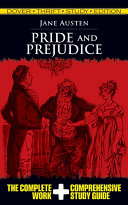
Book cover of Pride and Prejudice by Jane Austen.
01

Pride and Prejudice

Jane Austen

ClassicJanuary

Pride and Prejudice

Jane Austen

A sparkling comedy of manners where first impressions, family pressure, and social rank collide with wit and romance.

Why the club chose it

It opens the year with voice, irony, and one of literature’s most satisfying arcs from certainty to self-knowledge.

First impressionsClass and marriageFamily reputation

Where does Elizabeth’s judgment serve her well, and where does it narrow her view?

How does Austen use humor to critique serious social constraints?

Which modern expectations about love make the novel feel familiar or strange?

Book cover of James by Percival Everett.
02

James

Percival Everett

ContemporaryFebruary

James

Percival Everett

A daring reimagining of Jim from Huckleberry Finn that turns a familiar American story toward intellect, agency, and survival.

Why the club chose it

The club chose it for the way it revisits canon, power, language, and whose inner lives are allowed to shape history.

Voice and authorshipFreedomCanon revision

What changes when James controls the language of his own story?

How does the novel balance satire with danger?

What responsibilities come with retelling a famous text?

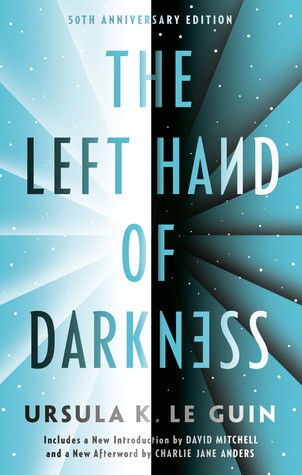
Book cover of The Left Hand of Darkness by Ursula K. Le Guin.
03

The Left Hand of Darkness

Ursula K. Le Guin

SpeculativeMarch

The Left Hand of Darkness

Ursula K. Le Guin

An envoy journeys across an icy world whose society challenges assumptions about gender, loyalty, and diplomacy.

Why the club chose it

It demonstrates how speculative fiction can make familiar human categories feel newly visible and open to question.

Gender and cultureTrustPolitical imagination

How does the winter landscape shape the book’s emotional and political stakes?

What assumptions does Genly bring with him, and how do they change?

Where does friendship become a form of knowledge?

Book cover of Drive Your Plow Over the Bones of the Dead by Olga Tokarczuk.
04

Drive Your Plow Over the Bones of the Dead

Olga Tokarczuk

MysteryApril

Drive Your Plow Over the Bones of the Dead

Olga Tokarczuk

In a remote Polish village, a series of deaths becomes an eccentric, philosophical mystery about justice and the natural world.

Why the club chose it

It stretches the mystery form into moral fable, ecological argument, and portrait of an unforgettable outsider.

EcologyJusticeEccentric perception

How trustworthy is Janina, and does trustworthiness matter here?

What does the novel suggest about who gets dismissed as “strange”?

How does astrology work as symbol, structure, or provocation?

Book cover of Educated by Tara Westover.
05

Educated

Tara Westover

Memoir & NonfictionMay

Educated

Tara Westover

A memoir of self-invention, family loyalty, and the difficult liberation that comes through learning to name one’s own life.

Why the club chose it

The club chose it for its intense questions about memory, belonging, education, and the cost of leaving a world behind.

EducationMemoryFamily and autonomy

How does education change Tara’s understanding of home?

What role does uncertainty play in the memoir’s honesty?

Can love and distance coexist in the book’s family relationships?

Book cover of Things Fall Apart by Chinua Achebe.
06

Things Fall Apart

Chinua Achebe

Global LiteratureJune

Things Fall Apart

Chinua Achebe

A concise, devastating novel of Igbo life, personal pride, social change, and the disruption of colonial encounter.

Why the club chose it

It is essential for discussing narrative authority, cultural complexity, masculinity, and historical fracture.

Tradition and changeMasculinityColonial disruption

How does Achebe complicate both admiration and critique of Okonkwo?

What forms of strength does the village value beyond physical power?

How does the final paragraph alter the whole novel’s perspective?

Book cover of Beloved by Toni Morrison.
07

Beloved

Toni Morrison

ClassicJuly

Beloved

Toni Morrison

A haunted, lyrical masterpiece about slavery’s afterlives, maternal love, memory, and the struggle to become whole.

Why the club chose it

It invites close reading of language, silence, community, and how trauma resists simple chronology.

Memory and hauntingMotherhoodCommunity repair

How does Morrison make the past feel physically present?

What does the novel ask of readers when language becomes fragmented?

Where does community fail, and where does it become necessary?

Book cover of Sea of Tranquility by Emily St. John Mandel.
08

Sea of Tranquility

Emily St. John Mandel

SpeculativeAugust

Sea of Tranquility

Emily St. John Mandel

A time-spanning novel connecting a violinist, a moon colony, pandemics, art, and the eerie possibility of simulation.

Why the club chose it

It offers a graceful route into contemporary speculative fiction with big ideas and intimate emotional consequences.

TimeArt and realityLoneliness

How does the novel make vast time scales feel personal?

What role does art play when reality itself is uncertain?

Which repeated image or scene changed meaning for you by the end?

Book cover of The Namesake by Jhumpa Lahiri.
09

The Namesake

Jhumpa Lahiri

Global LiteratureSeptember

The Namesake

Jhumpa Lahiri

A finely observed novel of migration, family, naming, and belonging, following Gogol Ganguli as he grows between Bengali inheritance and American adulthood.

Why the club chose it

It keeps September rooted in Indian and global literature while opening a warm, accessible discussion about identity, generational distance, home, and the meanings we inherit from family.

Migration and identityFamily inheritanceNames and belonging

How does Gogol’s name shape the way he understands himself and his family?

Where does the novel show the tenderness and strain of living between cultures?

What does “home” mean for different generations in the Ganguli family?

Book cover of The Thursday Murder Club by Richard Osman.
10

The Thursday Murder Club

Richard Osman

MysteryOctober

The Thursday Murder Club

Richard Osman

Four sharp retirees in an English retirement village investigate a real murder with warmth, mischief, and surprising tenderness.

Why the club chose it

It brings levity to the list while proving cozy mysteries can still ask moving questions about age, friendship, and grief.

FriendshipAgingPuzzle and comfort

How does the book use humor without flattening grief?

Which club member changes your assumptions about age or usefulness?

What makes a mystery feel comforting rather than merely suspenseful?

Book cover of Braiding Sweetgrass by Robin Wall Kimmerer.
11

Braiding Sweetgrass

Robin Wall Kimmerer

Memoir & NonfictionNovember

Braiding Sweetgrass

Robin Wall Kimmerer

A blend of Indigenous wisdom, botany, memoir, and invitation to imagine reciprocity with the living world.

Why the club chose it

It changes the pace of discussion from plot to attention, gratitude, science, and the ethics of relationship.

ReciprocityEcological knowledgeGratitude

Which essay most changed the way you notice the natural world?

How does Kimmerer place scientific and Indigenous knowledge in conversation?

What would reciprocity look like in an ordinary week?

Book cover of Tomorrow, and Tomorrow, and Tomorrow by Gabrielle Zevin.
12

Tomorrow, and Tomorrow, and Tomorrow

Gabrielle Zevin

ContemporaryDecember

Tomorrow, and Tomorrow, and Tomorrow

Gabrielle Zevin

A decades-long friendship and creative partnership unfolds through video games, ambition, grief, love, and collaboration.

Why the club chose it

It closes the year with a generous conversation about art-making, chosen family, and the many forms love can take.

Creative partnershipFriendshipPlay and grief

How does the novel define intimacy outside conventional romance?

What makes collaboration both nourishing and painful for Sam and Sadie?

How do games become a language for loss, repair, or reinvention?

Paperback cover of Ret ki Machhli by Kanta Bharti with Hindi title on a sandy background.
13

Ret ki Machhli

Kanta Bharti

Global LiteratureBonus Hindi Pick

Ret ki Machhli

Kanta Bharti

A powerful Hindi literary work often read as an intimate, emotionally raw account of love, betrayal, marriage, and a woman’s struggle to name her own truth.

Why the club chose it

The club added it as a special Hindi-language selection because its desert-and-fish metaphor opens a searching conversation about longing, dignity, disillusionment, and women’s interior lives in modern Indian literature.

Hindi literatureMarriage and betrayalWomen’s voice

What does the image of a fish in sand suggest about survival, thirst, and impossible conditions?

How does the book challenge idealized stories of love, devotion, or literary fame?

Where do silence, memory, and self-respect become forms of resistance?

Conversation guide

A simple structure for generous discussion

Use this three-part rhythm for any month on the list. It keeps conversation grounded, open, and friendly to readers with different reactions.

Step 1

Begin with a passage

Ask each reader to bring one sentence that lingered. The group starts with the book’s actual language before moving to opinion.

Step 2

Map the pressure points

Identify where character desire meets social expectation, history, family, or place. Those collisions usually carry the richest discussion.

Step 3

Leave room for rereading

Close by naming one question that remains unresolved. The best club nights end with curiosity rather than consensus.

Invitation

Bring a marked passage and an open evening.

Start with January, join in the middle, or borrow the list for your own circle. The only rule is to make space for the book—and for each other.